Why Your Golf Swing Falls Apart on the Back Nine — and the Fix That Isn't 'Try Harder'
Quick Answer: Back-nine swing breakdown is usually rotational core and glute fatigue, not a mental lapse — the fix is building specific rotational endurance rather than just general fitness, since a golf swing repeated 60-70 times taxes a narrow set of muscles unevenly.
The front nine feels smooth. By hole 14, the swing that felt automatic all morning suddenly needs conscious rebuilding on every shot. It’s tempting to blame focus, but the real cause is usually happening below the shoulders.

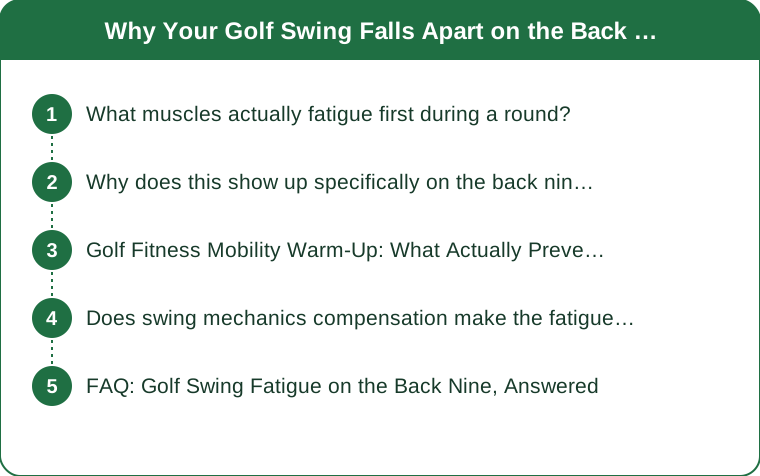
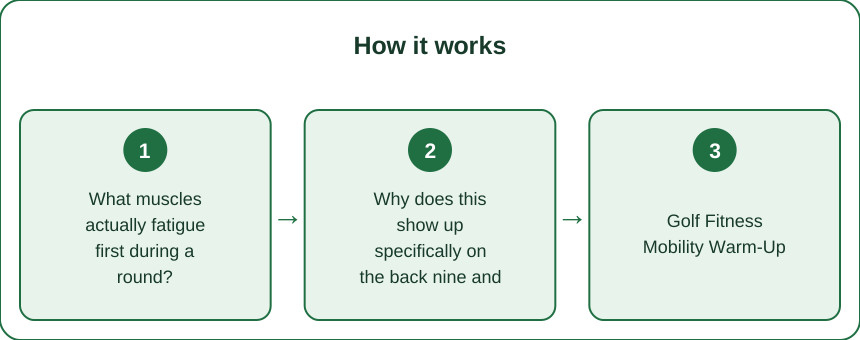
What muscles actually fatigue first during a round?
The obliques, glutes, and lower back stabilizers that control rotation and prevent early extension fatigue faster than most golfers expect, since a full swing repeated 60-70+ times over 4 hours asks these muscles for repeated forceful rotation that general cardio fitness doesn’t specifically train.
Why does this show up specifically on the back nine and not earlier?
Rotational fatigue is cumulative, not sudden — early swings feel fine because the muscles haven’t yet accumulated enough repetitions to show measurable strength loss. By hole 12-14, the accumulated fatigue crosses a threshold where compensation patterns (early extension, arm-only swings) start replacing proper rotation.

Golf Fitness Mobility Warm-Up: What Actually Prevents the Back-Nine Fade
General fitness and even a full warm-up routine don’t fully prevent this because they don’t specifically target rotational endurance under repeated load. Exercises like cable woodchops, weighted rotational throws, and anti-rotation planks, done 2-3x weekly, build the specific stamina a round actually demands — general strength training alone often misses this.
Does swing mechanics compensation make the fatigue worse over the round?
Yes — once fatigue causes a slight compensation (like early extension), the body often recruits different, less efficient muscles to complete the swing, which fatigues faster still. This creates a compounding effect where the back nine doesn’t just feel tired, it gets progressively worse hole to hole.
FAQ: Golf Swing Fatigue on the Back Nine, Answered
Does carrying your own bag make this worse?
Yes, meaningfully — the added load and asymmetric carrying pattern accelerates core and back fatigue faster than riding a cart.
Would a mid-round snack or hydration break help swing fatigue?
Hydration and steady blood sugar support general energy, but they don’t specifically address rotational muscle fatigue — both matter, but for different reasons.
How soon before a round should rotational training stop, to avoid soreness affecting play?
Stop dedicated rotational strength sessions at least 2 days before a round, since soreness (not just fatigue) can affect swing mechanics similarly.
TL;DR:
- Back-nine swing breakdown is usually rotational core and glute fatigue, not focus loss
- Fatigue is cumulative and crosses a noticeable threshold around holes 12-14
- General fitness doesn’t specifically train rotational endurance — targeted exercises do
- Compensation patterns from early fatigue often make the back nine progressively worse
The back-nine fade isn’t a mental game problem — it’s a specific muscular endurance gap most training routines never address.
See It in Motion
Seen here: UPF 50+ Pleated Running Skort with 26” Leggings & Pockets — shop similar styles on bubblelime.com
Keep Reading
This article is for general informational and styling purposes only. Fit, sizing, and product availability may vary.